An Ilchester Halloween Story – The Haunting of the site of Ilchester Jail
It was a night shrouded in mist, the sort that clung to the walls of Ilchester Jail and veiled the distant Somerset hills. For years, Ilchester’s stone walls had held whispers of cruelty. Inmates shuffled in silence, their bodies frail and hollowed by starvation, their minds frayed by the darkness that seemed to seep from the stones themselves. But tonight, it was not only the inmates who shivered.
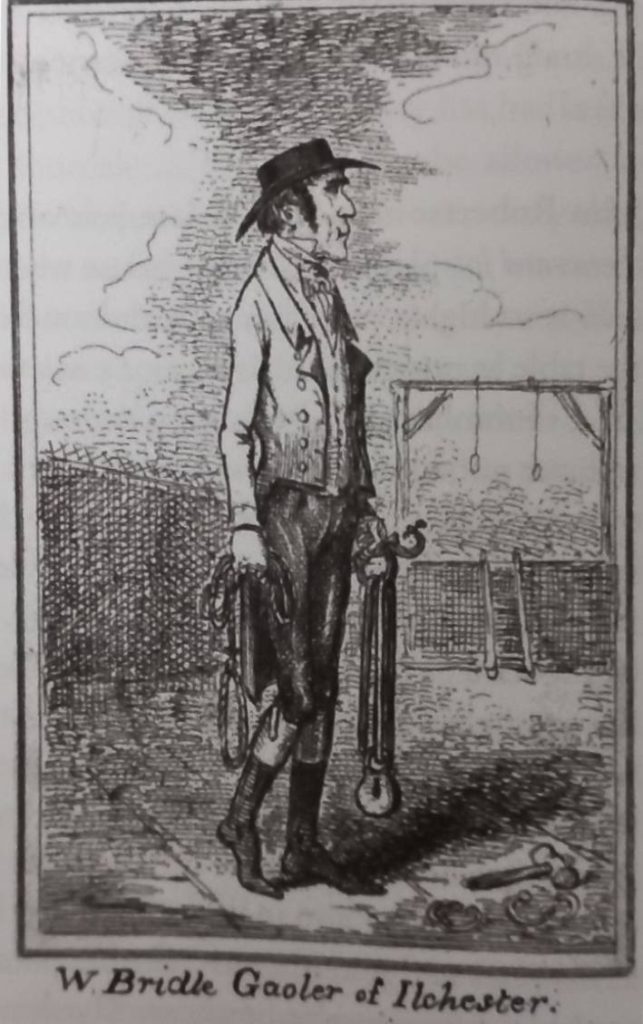
Inside the jail, William Bridle, the jailer of Ilchester, made his nightly rounds. Bridle was a hard man, unmoved by the pleas of his prisoners. His footsteps echoed coldly down the stone corridors as he passed row after row of damp cells. This night was like any other for Bridle. He tightened his grip on his iron keys, smirked at the muffled groans and coughs behind each cell door, and muttered curses under his breath at the men he watched over.
For years, he’d taken pride in his ability to instil fear and obedience, in the way his very presence silenced even the most vocal of prisoners.
Tonight, however, the silence felt different.
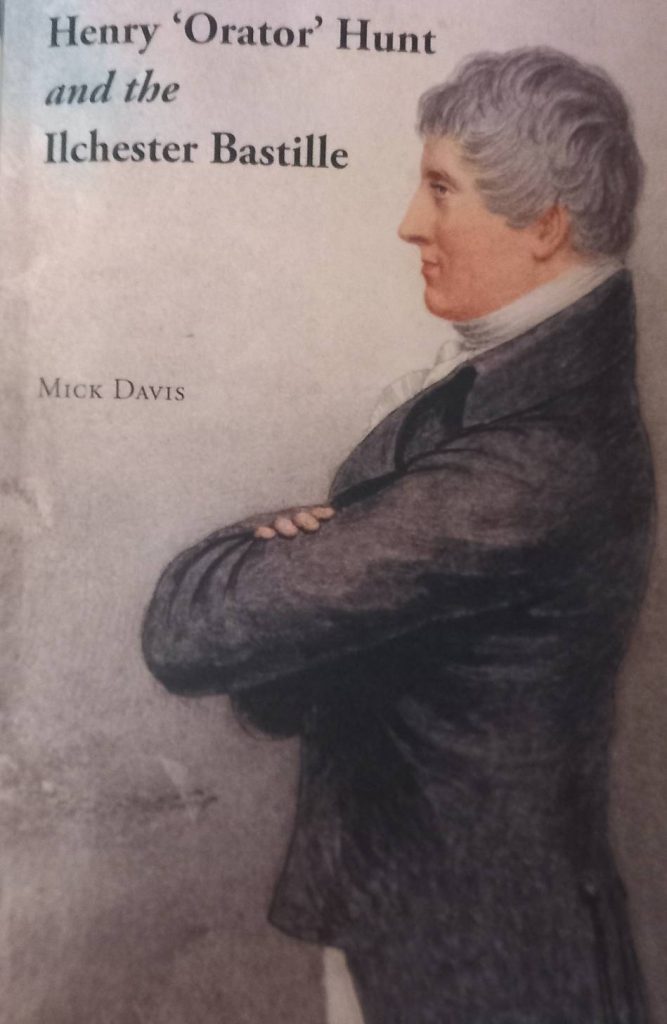
He stopped in front of one cell that had once held Henry Hunt, the political reformer. Hunt had been released long ago, but Bridle recalled with satisfaction how the man had left weakened and sickened. Hunt’s cell had always seemed colder than the rest, its shadowed corners alive with whispers.
Bridle chuckled as he thought back to the times he’d left Hunt and the others to suffer in their filth, chained in darkness and denied fresh air. He remembered the gaunt faces, sunken eyes, and frail bodies—all signs of the suffering he’d inflicted with calculated precision. Yet tonight, as he stood there reminiscing, he felt a strange chill crawl up his spine. The air was colder than usual, a dampness that clung to his skin and made his breath mist in front of him.
“Bridle…”
A voice, barely a whisper, seemed to call from down the corridor. He whipped around, his heart racing for a beat before he steadied himself. He was alone. The inmates were all behind locked doors, and the guards were stationed outside. Shaking off the unease, he continued down the hall, though he could not shake the feeling that he was being watched.
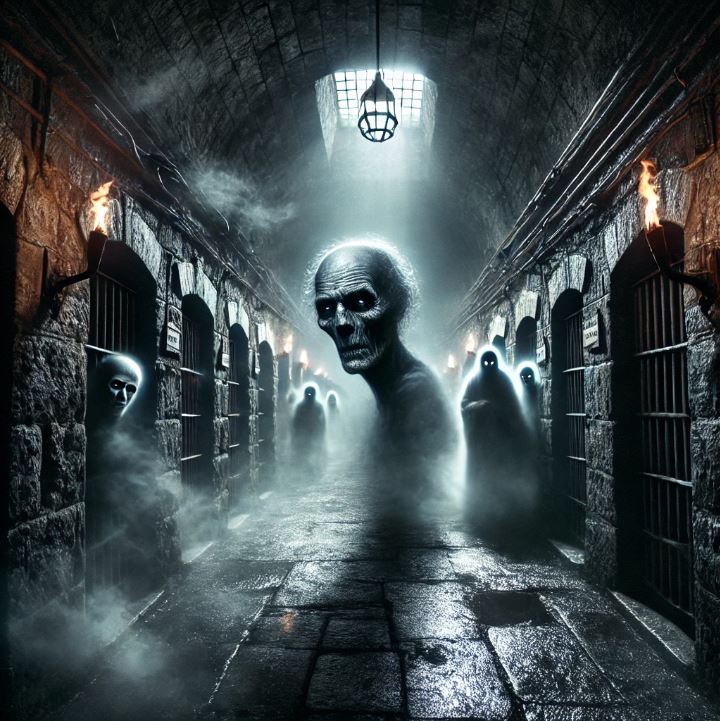
Passing the old cells, he felt the chill intensify. The torches flickered as if the air were growing thinner, and every sound seemed sharper, from the drip of water off the stones to the scuttling of rats in the shadows. As he moved deeper into the jail, he noticed that even the faint, rhythmic breathing of the prisoners had ceased. Silence blanketed the cells.
“Jailer…”
Again, a voice called out. This time, it was closer, like a breath against his ear. Bridle spun around, his knuckles white as he gripped his keys, scanning the shadows for movement. But there was no one there. Only the cold stone walls and the flickering of the torchlight, which cast long, twisting shadows that seemed to writhe as if alive.
“I must be going mad,” he muttered, trying to laugh it off. But his voice sounded hollow, even to himself.
Continuing his rounds, he approached a cell notorious among the inmates—a place where prisoners claimed to hear the cries of past inmates who had not survived their time in Ilchester. Bridle felt his pulse quicken as he reached it. The door was old, the wood rotting in places, and the hinges screeched as he pulled it open. The room was empty, as he knew it would be. But tonight, something felt…wrong.
“Did you think we’d be silent forever, Bridle?”
The voice, low and thick with anger, reverberated through the cell, freezing Bridle in place. He stumbled backward, his heart hammering as he squinted into the shadows. A figure emerged—vague, ghostly, yet unmistakably real. Its face was gaunt, eyes sunken, but there was no mistaking the look of cold, burning rage in them.
“Henry…Hunt?” Bridle’s voice cracked.
The specter grinned, though there was no warmth in it, only a kind of grim satisfaction. He stepped closer, and Bridle could feel the air around him turn icy, sucking the warmth from his skin. “I am one of many, Bridle,” the specter hissed. “You thought us weak, caged, but we are all here—every life you’ve broken.”
Bridle staggered back, his breath coming in gasps. He tried to call for help, but no sound left his throat. The specter pointed a skeletal finger at him, and suddenly the room was filled with more figures, shadows taking form one by one—thin, hollow-eyed men, with faces contorted by suffering and pain.
“Look at us,” another whispered. “You did this to us.”
The room seemed to close in around him. Bridle could feel his chest tighten, the air around him thick and suffocating. He tried to bolt, but his legs felt leaden. The prisoners’ specters moved closer, closing in with hollow eyes filled with vengeance.
The jailer sank to his knees, his hands trembling as he tried to shield his face. But the shadows were relentless, pressing closer until they surrounded him completely. He could feel their cold fingers gripping his arms, his shoulders, his neck, the touch both intangible and icy, as if death itself were dragging him down.
The figures whispered in unison, their voices mingling into a ghostly chant. “For the nights we were left to rot, for the days without food or light, for the chains that bound us—this is your justice, William Bridle.”
Bridle’s screams echoed through the corridors, yet no one heard him. He fell silent, the last shreds of his strength drained, his body slumping to the stone floor as the shadows faded, leaving only the damp chill of Ilchester Jail.
The next morning, guards found Bridle’s body lying in the hallway, his face frozen in terror, eyes wide and mouth open as if still screaming. No cause could be found for his death, but the prisoners spoke in hushed tones, claiming they had heard his screams through the night, echoing down the dark corridors.
From that night on, the inmates claimed that strange things happened in the jail—footsteps with no source, whispers in the dark, and chills that seeped into the bones. Some said it was Bridle’s spirit, trapped within the walls he had once ruled with cruelty. Others swore it was the souls of those he had wronged, lingering in Ilchester Jail to ensure he never found peace.
To this day, those who pass by the site of Ilchester Jail say that, on quiet nights, if you listen closely, you can hear faint footsteps echoing down the crumbling corridors and the distant, ghostly cries of William Bridle, haunted by the very souls he thought he had silenced forever.
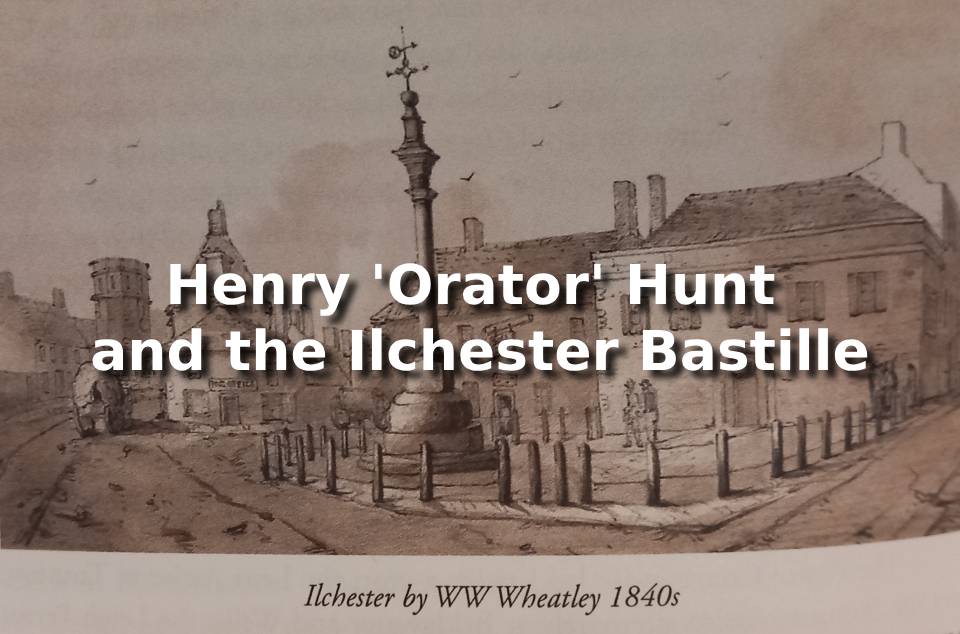
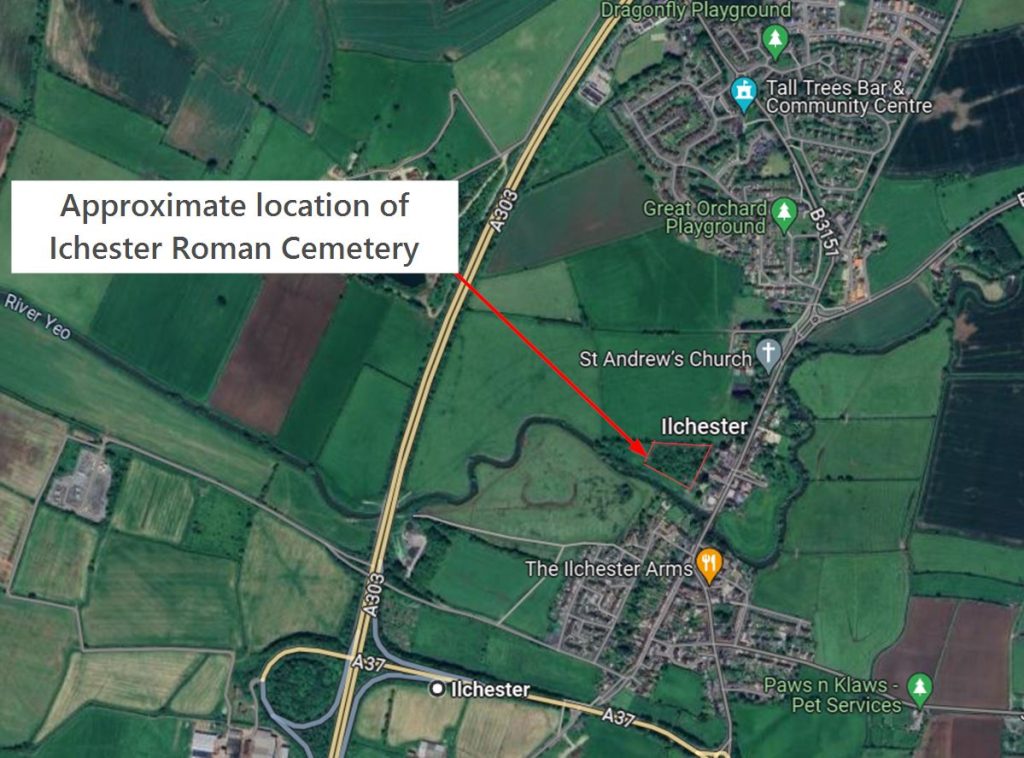
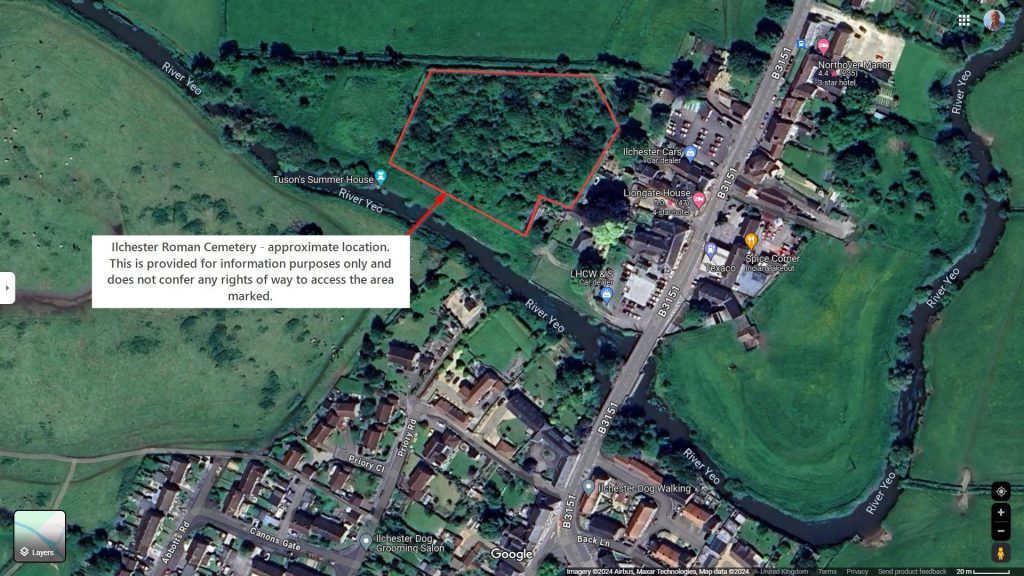
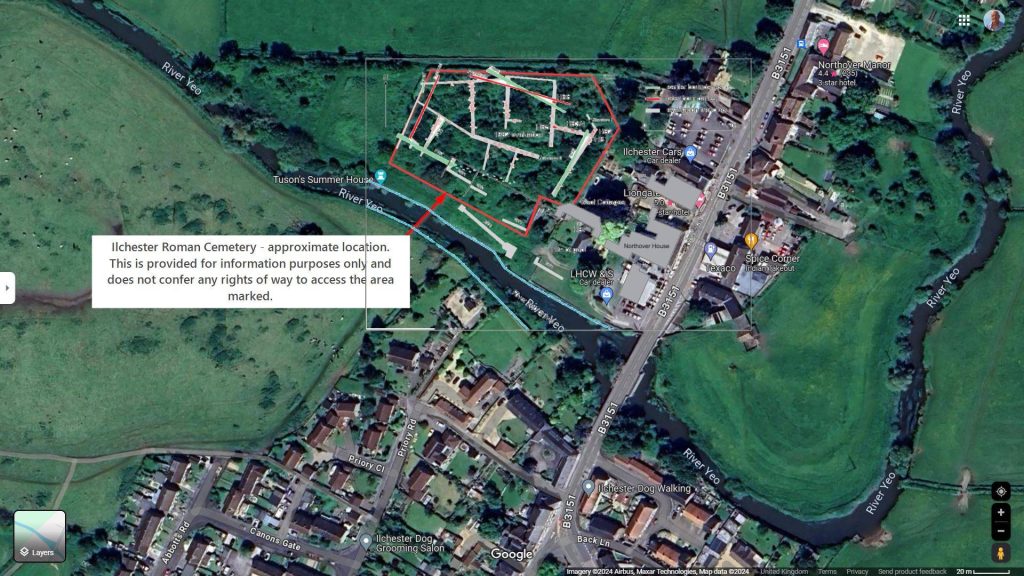
Ilchester Jail was situated to the west of the bridge. Many executions took place at the nearby Gallows Field.
For the real story behind Henry Hunt and William Bridle, and how Ilchester Jail became a focal point for penal reform in the 19th Century, read the serialisation of Somerset Historian, Mick Davis’ book, ‘Henry ‘Orator’ Hunt and The Ilchester Bastille’, coming soon to this website.
If you would like to receive the first instalment of ‘Henry ‘Orator’ Hunt and The Ilchester Bastille’, direct via email, subscribe now…